Choosing Odoo is rarely the hard part. The hard part is making sure the implementation fits your business, stays maintainable, and doesn’t turn into a never-ending stream of “quick fixes” that become expensive later. That’s exactly why working with an official Odoo partner isn’t just about having someone who can configure modules it’s about having a team that can translate your operations into a scalable setup, set realistic expectations, and keep the project under control.
Below are the seven most common questions businesses ask before committing to an implementation and the practical answers you should expect.
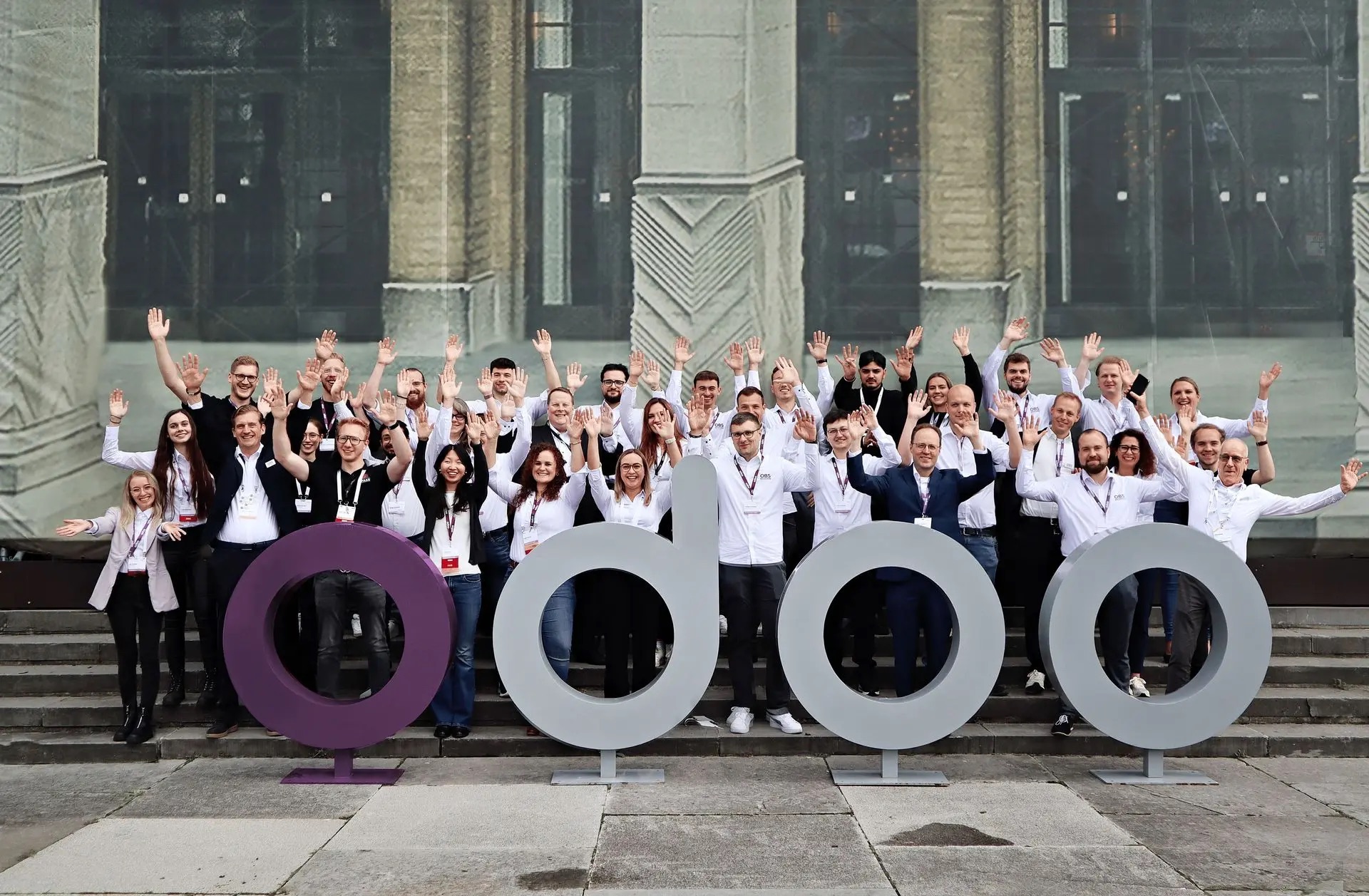
7 Common Questionstoan Official Odoo Partner
1) "Why do people call Odoo a LEGO?"
Odoo is often described as LEGO because it’s modular. You don’t buy one monolithic system you assemble a solution from apps and configuration, then expand it as the business grows. That flexibility is powerful, but it also means the outcome depends heavily on how well the implementation is designed: the same “blocks” can produce either a clean, scalable system or a fragile setup that becomes expensive to maintain.
2) "What is the real cost of Odoo for my business?"
Companies typically underestimate cost when they only look at licensing. In practice, the total cost combines the Odoo subscription (especially for Enterprise), the implementation work (analysis, configuration, data migration, integrations, custom development, training, testing), and ongoing support plus continuous improvement after go-live. A good partner will clearly separate what’s required to launch successfully from what should be planned as post-go-live optimization and growth.
3) "Can I start with Community and switch to Enterprise late?"
In theory, yes. In reality, many teams discover that delaying Enterprise can create extra cost later especially if you spend time building custom solutions to cover gaps that Enterprise already handles more cleanly. When you switch, you may end up revisiting decisions, reworking development, or repeating analysis. The key is to decide early based on what your business truly needs, not just the lowest initial entry cost.
4) "Will there be additional costs after go-live?"
Usually, yes. Go-live is not the finish line. It’s the beginning of real operational learning. Once people use Odoo daily, they find obvious opportunities for automation, reporting improvements, better approval flows, and process refinement. Many companies treat this as a planned “continuous improvement” track rather than unexpected spending.
5) "Is it better to buy an app from the Odoo App Store or pay for development?"
There’s no universal winner. App-store modules can save time, but the tradeoffs are quality, maintainability, vendor support, and upgrade compatibility. Custom development can be more expensive upfront, but sometimes it’s the safer route for mission-critical workflows, especially if it reduces long-term complexity and future upgrade pain.
6) "If you did similar project before, will I save money?"
Experience helps, but most ERP projects are not copy-paste. Even within the same industry, differences in warehouse structure, pricing logic, approvals, financial rules, or integrations can change the scope significantly. A partner’s value is often in avoiding predictable mistakes, proposing better patterns, and setting realistic expectations not claiming every project is identical.
7) "Odoo is released each year. Is upgrading complicated?"
Upgrades range from straightforward to complex depending on how much you customized, how many third-party modules you rely on, and how deep your integrations go. The safest approach is to plan upgrades as a repeatable process (audit → test → fix → deploy), instead of treating them as a stressful one-off.
Conclusion
A strong Odoo implementation starts with strong questions. When you ask about real costs, Community vs Enterprise strategy, post-go-live ownership, and the tradeoffs between apps and custom work, you protect your timeline and budget before the project even begins. The best partners don’t just say “yes” they explain constraints, propose options, and make sure the solution will still be healthy when your business grows.
Ready to simplify your company and boost efficiency?
Contact us and get started with Odoo now.